The modern automotive manufacturing environment moves at an unforgiving pace. For automotive Tier-1 and Tier-2 suppliers, every single minute of unplanned equipment downtime carries a heavy financial penalty. Maintenance managers and automation engineers constantly face immense pressure to keep assembly lines, stamping presses, robotic welding cells, and conveyor loops running at peak operational capacity. When a critical machine stops unexpectedly, it creates a costly bottleneck that ripples across the entire supply chain.
To combat these challenges, leading facilities increasingly rely on PLC-based control systems as the core intelligence of their manufacturing ecosystems. By replacing antiquated relay panels and unstable control logic with robust Programmable Logic Controllers, plant operators can achieve unprecedented levels of reliability, precise motion coordination, and rapid fault diagnosis. Implementing intelligent industrial automation framework transforms a reactive maintenance department into a proactive, data-driven powerhouse capable of neutralizing downtime before it stalls production.
Understanding the True Cost of Downtime in Automotive Manufacturing
Automotive manufacturing is characterized by high capital investments, tight cycle times, and strict delivery schedules. On a high-volume shop floor, an unexpected stoppage lasting just thirty minutes can result in thousands of dollars in lost output, delayed shipments, and wasted raw materials. Equipment failures typically stem from a variety of persistent issues, including sensor malfunctions, pneumatic actuator failures, electrical noise interference, and mechanical wear and tear.
Traditional, rigid control architectures lack the diagnostic depth required to pinpoint these root causes swiftly. When technicians spend valuable hours troubleshooting cryptic error codes or manually tracing electrical schematics, Mean Time to Repair (MTTR) skyrockets. Modern industrial automation approaches mitigate these vulnerabilities by integrating centralized monitoring networks that offer total visibility over every machine state, sensor input, and actuator output across the plant floor.
Core Architecture of PLC-Based Control Systems
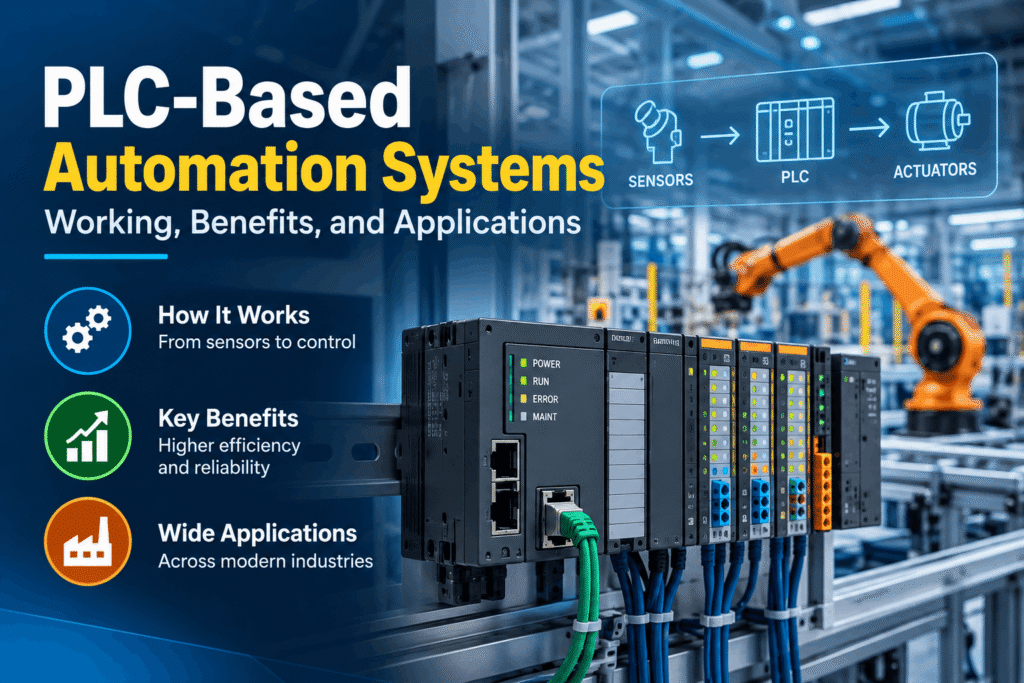
At the heart of any resilient automotive assembly line lies a sophisticated Programmable Logic Controller. Unlike standard computing hardware designed for general office tasks, a industrial-grade PLC is engineered to withstand extreme shop floor conditions, including high ambient temperatures, electromagnetic interference, severe vibrations, and voltage fluctuations.
Centralized Processing and Real-Time Execution
The PLC continuously scans input signals coming from limit switches, photoelectric sensors, temperature probes, and safety light curtains. It executes user-defined control logic within milliseconds and updates output states to drive motor starters, pneumatic valves, and servo drives. This deterministic execution guarantees that safety interlocks and sequential operations occur with absolute predictability.
Seamless Human-Machine Interface (HMI) Integration
Modern control architectures pair advanced PLCs with intuitive HMI touchscreens, giving operators and technicians a graphical window into the machine’s inner workings. Instead of guessing why a station has halted, maintenance personnel can instantly view animated alarm banners, exact sensor status indicators, and clear step-by-step troubleshooting guides directly on the screen.
How Programmable Logic Controller Programming Eliminates Bottlenecks
The efficacy of any hardware installation ultimately depends on the quality of its underlying software architecture. Precise Programmable Logic Controller programming is essential for establishing fault-tolerant routines that handle exceptions gracefully without tripping the entire production line.
Structured Text and Modular Design
Using standardized programming languages such as Structured Text (ST) and Ladder Diagram (LD) allows automation engineers to write modular, reusable code blocks. If a specific sub-assembly routine requires modification, engineers can update individual function blocks without risking unintended side effects in unrelated areas of the master program.
Dynamic Fault Masking and Graceful Degradation
Advanced PLC routines incorporate intelligent error-handling algorithms. For instance, if a non-critical auxiliary component experiences an intermittent glitch, the control program can safely isolate that specific zone, alert maintenance via an Andon tower light, and allow the rest of the main transfer line to continue operating at a reduced or optimized rate. This approach drastically minimizes catastrophic, plant-wide stoppages.
Enhancing Precision Through CNC Control Integration
Automotive component manufacturing demands extreme dimensional accuracy, particularly in machining, milling, and precision forming operations. Modern facilities achieve this high degree of precision through seamless CNC control integration with primary PLC networks.
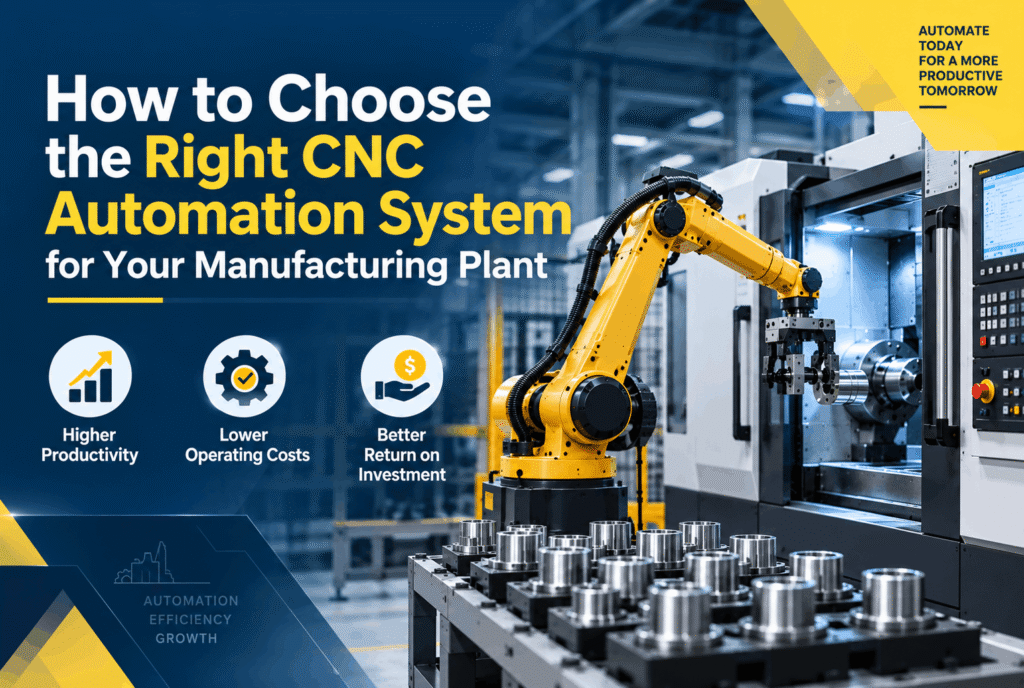
When CNC machines communicate natively with the master PLC over high-speed industrial Ethernet protocols (such as PROFINET, EtherCAT, or Modbus TCP), material handling robots, pallet changers, and automated conveyors synchronize their movements flawlessly. This tight synchronization eliminates dead time between machining cycles, reduces part-handling errors, and ensures that raw castings move from the CNC workstation to the inspection bay without manual intervention.
Manufacturing Error Proofing: Stopping Defects Before They Occur
Downtime is not only caused by mechanical breakdowns; it is also frequently triggered by quality escapes, misplaced components, and assembly errors that force immediate line stoppages for sorting and rework. Effective manufacturing error proofing—commonly known as poka-yoke—plays a vital role in keeping automotive assembly lines moving smoothly.
By integrating smart verification sensors, torque-controlled nutrunners, and vision inspection systems directly into the PLC architecture, the control system ensures that a workstation cannot advance to the next step unless all preceding parameters are verified. For instance, if an operator attempts to fasten an incorrect bolt or misses a torque sequence, the PLC immediately locks out the fixture, preventing defective parts from entering downstream processes and eliminating costly line stoppages later in the manufacturing cycle.
Proactive Maintenance and Predictive Diagnostics
One of the most powerful ways to reduce downtime on automotive shop floors is transitioning from reactive firefighting to predictive maintenance strategies. Traditional maintenance relies on calendar-based servicing, which often leads to replacing healthy components prematurely or failing to catch developing faults.
Modern PLC control platforms collect vast amounts of operational data, including motor operating temperatures, cycle counts, actuator stroke times, and spindle current draws. By analyzing these real-time metrics, maintenance teams can identify subtle performance degradation long before a component fails catastrophically. For deeper insights into optimizing industrial uptime and maximizing asset lifecycles, you can explore external guidelines on Industrial Automation Best Practices and Smart Manufacturing Standards.
Transform Your Shop Floor Efficiency with Expert Automation Partnering
Eliminating recurring equipment failures and maximizing Overall Equipment Effectiveness (OEE) requires specialized engineering expertise, robust control design, and flawless execution. For automotive Tier-1 and Tier-2 suppliers looking to upgrade their legacy infrastructure, partnering with seasoned industry specialists makes all the difference.
PAIR Robotics delivers advanced, custom-engineered automation solutions designed specifically to address the rigorous demands of modern manufacturing floors. With extensive expertise in turn-key automation projects, robust software development, and specialized machine building, their engineering team helps industrial facilities streamline complex operations. Whether you need custom PLC-based control automation systems, high-performance robotic control automation systems, or precision-engineered assembly solutions, PAIR Robotics provides end-to-end support from concept to shop-floor commissioning.
Ready to eliminate unexpected bottlenecks and elevate your plant productivity? Contact PAIR Robotics today to discuss your custom automation requirements with industry experts.
Frequently Asked Questions
What is a PLC-based control automation system?
A PLC-based control automation system utilizes rugged industrial computers (Programmable Logic Controllers) to monitor input devices, execute customized control logic, and command output actuators, ensuring reliable, real-time machine automation across manufacturing environments.
How do PLC systems help reduce automotive shop floor downtime?
PLC systems minimize downtime by providing instantaneous fault detection, clear HMI diagnostic displays, precise motion synchronization, and integrated error-proofing routines that catch mechanical or assembly errors before they cause catastrophic line stoppages.
Can existing automotive production lines be retrofitted with new PLC controls?
Yes. Experienced automation partners can seamlessly upgrade legacy machine control panels by integrating modern PLCs, high-speed communication networks, and advanced HMI touchscreens into existing assembly and welding lines with minimal production disruption.