In today’s fiercely competitive industrial landscape, modern manufacturing facilities face unrelenting pressure to boost output, minimize operational expenditure, and maintain uncompromised product quality. Traditional production floors heavily reliant on manual labor often struggle with human error, bottlenecks, and escalating labor costs. To stay ahead, forward-thinking enterprises are rapidly turning to advanced industrial automation solutions. By integrating smart machinery, precision robotics, and intelligent control systems into the production lifecycle, businesses can achieve unprecedented levels of efficiency, safety, and profitability.
The Evolution of Modern Manufacturing Through Industrial Automation Systems
The industrial sector has undergone a massive transformation over the past few decades. From basic assembly line machinery to interconnected cyber-physical systems, the transition has redefined what factories can accomplish. Implementing comprehensive industrial automation systems allows businesses to transition from reactive troubleshooting to proactive, data-driven production management.
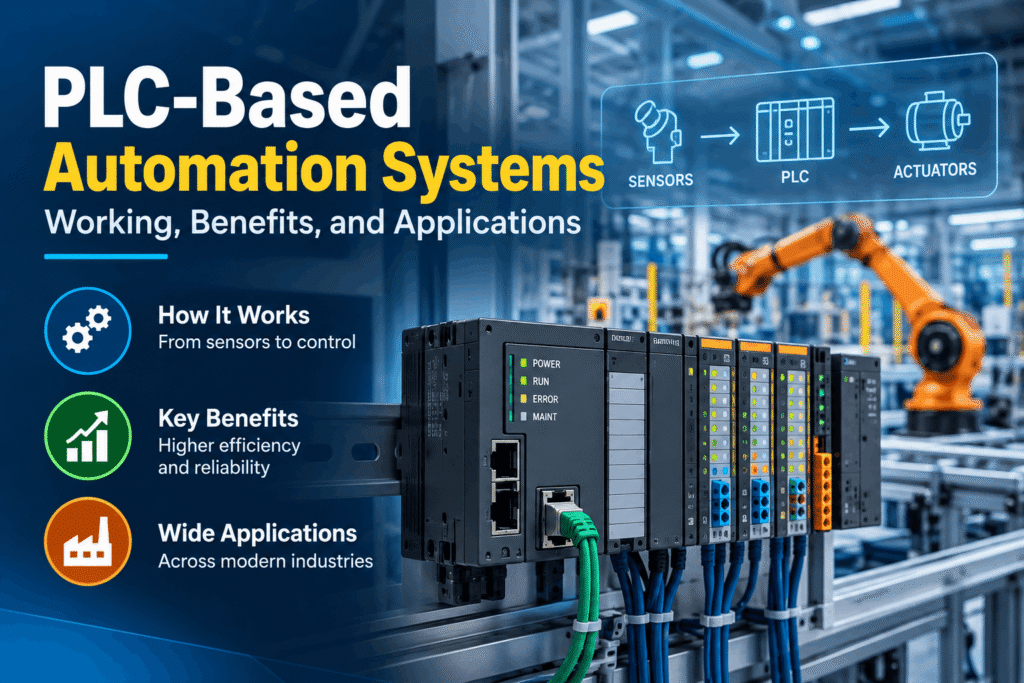
Advanced facilities now utilize a harmonious blend of sensors, programmable logic controllers (PLCs), and supervisory control and data acquisition (SCADA) networks. This technological synergy ensures that every component on the factory floor communicates in real time, drastically reducing idle time and eliminating guesswork from daily operations.
Key Drivers Behind Manufacturing Process Optimization
Achieving sustainable growth requires continuous refinement of production workflows. Manufacturing process optimization is no longer just an optional strategy; it is a fundamental requirement for survival in the global market. When organizations adopt automated technologies, they eliminate redundant manual steps, streamline material handling, and establish predictable cycle times.
Key elements driving this optimization include:
- Real-Time Data Visibility: Continuous monitoring allows supervisors to spot inefficiencies instantly rather than discovering them at the end of a shift.
- Consistent Quality Control: Automated vision systems and precision sensors inspect products with micron-level accuracy, ensuring zero defects.
- Optimized Resource Utilization: Raw materials and energy are consumed precisely as needed, minimizing waste and supporting eco-friendly manufacturing goals.
How Industrial Automation Solutions Drive Productivity
Productivity is the heartbeat of any manufacturing plant. When operations run smoothly without unexpected stoppages, overall equipment effectiveness (OEE) skyrockets.
1. Eliminating Bottlenecks with Automated Production Systems
Manual assembly lines are susceptible to fatigue, slowdowns, and inconsistent pacing. Deploying robust automated production systems ensures a steady, unyielding rhythm of production. Machines do not tire, take breaks, or experience variance in output speed, allowing factories to meet tight deadlines and scale up production volumes effortlessly.
2. Achieving Unmatched Production Efficiency Improvement
A measurable production efficiency improvement directly correlates with higher bottom-line profitability. Automation takes over repetitive, high-precision tasks such as welding, painting, sorting, and packaging. This allows human workers to pivot toward higher-value roles involving quality supervision, equipment maintenance, and process engineering.
3. Mitigating Risks and Enhancing Worker Safety
Manufacturing floors can be hazardous environments involving heavy lifting, toxic fumes, or high-temperature machinery. Integrating industrial robotics integration ensures that dangerous and repetitive tasks are handled by robust robotic arms. This drastically lowers workplace injury rates, reduces absenteeism, and fosters a safer corporate culture.
Substantial Cost Reductions Through Factory Automation Solutions
While the initial capital expenditure required to set up smart manufacturing infrastructure can seem significant, the long-term Return on Investment (ROI) is substantial. Factory automation solutions target and eliminate several hidden operational costs that quietly drain corporate profitability.
Minimizing Downtime and Maintenance Expenses
Unexpected equipment failure is one of the most expensive drains on a manufacturing plant. Modern automation incorporates predictive maintenance algorithms that monitor vibration, temperature, and wear patterns. By identifying potential component failures before they cause catastrophic breakdowns, plants achieve a dramatic reduction in manufacturing downtime.
According to industry reports from leading manufacturing authorities like IndustryWeek and the National Association of Manufacturers, predictive maintenance and automation can slash unplanned downtime by up to 50%, saving organizations millions in lost production hours.
Labor Optimization and Waste Reduction
Labor costs continue to rise globally, making it essential to optimize workforce allocation. Automation absorbs repetitive, labor-intensive duties, allowing businesses to optimize headcount without sacrificing output. Furthermore, precise dosing, cutting, and assembly minimize raw material scrap, ensuring that every ounce of material is utilized efficiently.
Embracing Smart Manufacturing Technology for Future Readiness
As industries transition toward Industry 4.0, adopting smart manufacturing technology has become vital for long-term viability. Integrating Internet of Things (IoT) devices, artificial intelligence (AI), and machine learning algorithms allows machinery to adapt dynamically to changing production demands.
Whether you are looking for a trusted industrial automation company in India or seeking bespoke industrial automation services, partnering with seasoned engineering experts ensures a seamless digital transformation journey. Tailored manufacturing automation solutions are designed to integrate smoothly with your existing legacy equipment, minimizing disruption during installation and commissioning.
Elevating Your Production Capabilities with Expert Engineering
Navigating the complexities of factory floor modernization requires deep technical expertise, customized system architecture, and reliable after-sales support. Implementing generic off-the-shelf machinery rarely yields optimal results; every manufacturing plant has unique challenges, floor layouts, and throughput requirements.
Partnering with Pair Robotics for End-to-End Excellence
To truly unlock the full potential of your manufacturing plant, collaborating with an industry leader is essential. Pair Robotics specializes in delivering cutting-edge automation architecture tailored to diverse industrial sectors. From initial feasibility studies and custom robotic cell design to seamless PLC programming and comprehensive staff training, their engineering team ensures your transition to automated manufacturing is smooth, cost-effective, and future-proof.
Ready to transform your factory floor, eliminate operational bottlenecks, and achieve unbeatable production efficiency? Contact Pair Robotics today to schedule a comprehensive automation audit and take the first step toward smart, profitable manufacturing.
Frequently Asked Questions (FAQs)
1. What are industrial automation solutions, and how do they benefit manufacturing plants?
Industrial automation solutions involve the use of control systems, computers, robotics, and information technologies to handle industrial machinery and processes. They benefit plants by increasing production speed, ensuring consistent product quality, lowering operational costs, and enhancing workplace safety.
2. How does factory automation help in reducing manufacturing downtime?
Factory automation utilizes advanced IoT sensors and predictive maintenance algorithms. These systems continuously monitor machinery health in real time, detecting anomalies and wear before they lead to unexpected equipment failure, thereby minimizing costly downtime.
3. What is the typical ROI timeline when investing in industrial automation systems?
While the exact ROI timeline varies depending on the scale of the project, complexity, and initial capital investment, most manufacturing facilities experience a full return on investment within 18 to 36 months through labor savings, reduced scrap, and increased throughput.
4. Can industrial automation be integrated into existing legacy manufacturing units?
Yes. Professional automation providers can retrofit existing legacy machinery with modern sensors, PLCs, and control interfaces, allowing older plants to enjoy the benefits of smart manufacturing without replacing their entire production line.
5. Why should businesses choose Pair Robotics for industrial automation services?
Pair Robotics offers customized, end-to-end automation engineering tailored to specific industry needs. With deep expertise in robotics integration, process optimization, and reliable technical support, they help businesses maximize productivity and achieve rapid ROI.